






Pokémon Card Condition Guide UK
Whether you're buying, selling, trading, or valuing Pokémon cards, understanding card condition is essential. Small differences in condition can have a significant impact on value, where a pristine card could fetch a fortune, the same card damaged might reflect a very different price point.
This guide explains the condition terms most commonly used by UK collectors, sellers, and traders.
Near Mint (NM)
Near Mint cards show minimal signs of handling and appear close to pack fresh.
A Near Mint card may have:
- Minor edge whitening visible on close inspection
- Tiny surface marks only visible under strong lighting
- Very light corner wear (minimal)
A Near Mint card should not have:
- Creases
- Dents
- Bends
- Deep scratches
- Significant edge wear
Near Mint is generally considered the highest practical condition for an ungraded card.

Lightly Played (LP)
Lightly Played cards show some evidence of handling but remain attractive and highly collectible.
A Lightly Played card may have:
- Noticeable edge whitening
- Light corner wear
- Several light scratches
- Minor handling marks
A Lightly Played card should not have:
- Heavy creasing
- Significant dents
- Major structural damage
- Water damage
Many collection cards fall into the Lightly Played category after years of careful storage.
Moderately Played (MP)
Moderately Played cards show clear signs of wear and regular handling.
A Moderately Played card may have:
- Significant edge wear
- Multiple scratches
- Corner damage
- Small dents
- Minor creases
A Moderately Played card should not have:
- Severe structural damage
- Missing pieces
- Extensive water damage
Moderately Played cards are often purchased by players or collectors seeking lower-cost copies of desirable cards.
Heavily Played (HP)
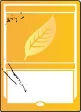
Heavily Played cards have substantial visible wear and damage.
A Heavily Played card may have:
- Large areas of whitening
- Deep scratches
- Multiple dents
- Noticeable creasing
- Significant edge and corner wear
Despite their condition, Heavily Played cards can still hold value if they are rare, vintage, or highly sought after.
Damaged (DMG)
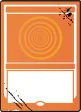
Damaged cards have defects that significantly affect their appearance, structure, or playability.
Examples include:
- Major creases
- Tears
- Water damage
- Ink marks
- Peeling layers
- Severe bends
- Missing pieces
Damaged cards typically sell at a substantial discount compared to cleaner examples.
How Condition Affects Value
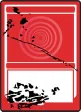
Condition is one of the biggest factors affecting a Pokémon card's value.
As a general rule:
- Near Mint cards command the highest prices.
- Lightly Played cards typically sell for slightly less than Near Mint copies.
- Moderately Played cards can see significant reductions in value.
- Heavily Played and Damaged cards often sell at substantial discounts.
The exact impact varies depending on the card, rarity, age, and demand. For highly sought-after cards, even damaged copies can still be valuable.
Common Condition Issues
Edge Whitening
White marks around the edges of a card caused by handling, storage, or play.
Surface Scratches
Scratches that become visible when viewed under direct lighting.
Dents
Small indentations in the card stock that can significantly affect condition.
Creases
Permanent folds in the card. Even small creases can have a major impact on value.
Print Imperfections
Factory defects such as print lines, roller marks, centering issues, or rough cutting. These can sometimes appear on pack-fresh cards.
Buying and Selling Tips
- Always inspect both the front and back of a card.
- Ask for close-up photographs before purchasing expensive cards.
- Check cards under strong lighting.
- Grade conservatively when selling.
- Clearly disclose dents, scratches, and creases.
A card described slightly worse than its condition creates happy buyers. A card described better than its condition creates unhappy buyers.
Final Thoughts
Condition is not an exact science, and different collectors may occasionally disagree on where a card sits between categories. However, using consistent standards helps buyers and sellers communicate clearly and reduces the likelihood of disputes.
Understanding card condition is one of the most important skills a Pokémon TCG collector can develop.